

Routine Maintenance
Quick, regular checks to ensure equipment is working properly and to catch minor problems early. Examples include fluid top-offs, lubrication, and visual inspections.
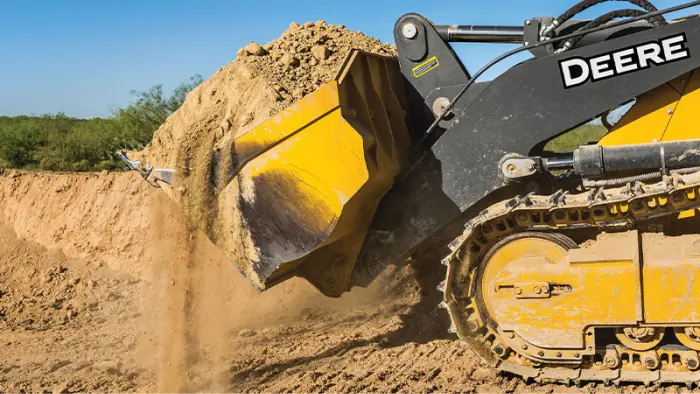
Construction projects depend on heavy machinery like articulated dump trucks, backhoes, crawler dozers, loaders, excavators, motor graders, and wheel loaders. When equipment fails, projects face costly downtime, safety risks, and missed deadlines. Machines that aren’t maintained properly lose efficiency, wear out faster, and require expensive repairs. At Doggett Equipment, we support contractors with routine inspections, preventive servicing, proper lubrication, timely part replacements, and operator training—helping your machines last longer and perform safely on every job.
Quick, regular checks to ensure equipment is working properly and to catch minor problems early. Examples include fluid top-offs, lubrication, and visual inspections.
Scheduled inspections and servicing based on hours of operation or manufacturer recommendations to prevent breakdowns.
Repairs performed after a failure occurs. Necessary in emergencies, but relying solely on reactive maintenance increases downtime and costs.
Real-time monitoring of equipment through sensors or IoT devices to detect potential issues before they escalate into failures.
Regular maintenance based on hours of operation or seasonal needs.
Proactively replace worn belts, hoses, bearings, hydraulic seals, and attachments.
Monitor sensors, fluid analysis, and operational data to anticipate issues.
Train personnel to use equipment correctly, perform routine checks, and spot early signs of wear.
Adjust maintenance for extreme weather conditions.
Maintain detailed service logs to track repairs, inspections, and part replacements.
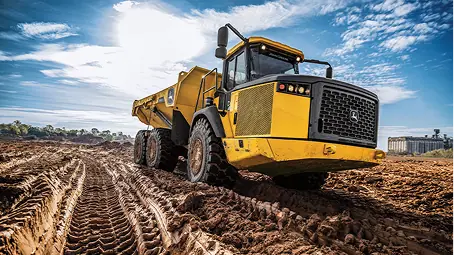
Tires, engine, transmission, hydraulics, brakes, suspension, fluids, and filters.
Learn More About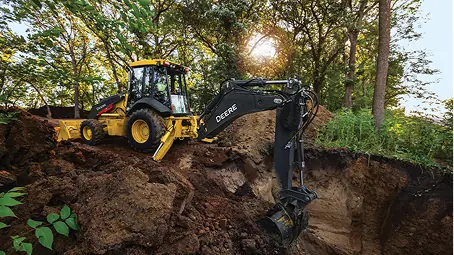
Boom, bucket, joints, tires, hydraulics, engine, transmission, and filters.
Learn More About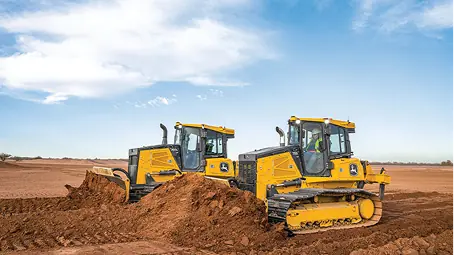
Blade, tracks, rollers, sprockets, hydraulics, engine, and cooling system.
Learn More About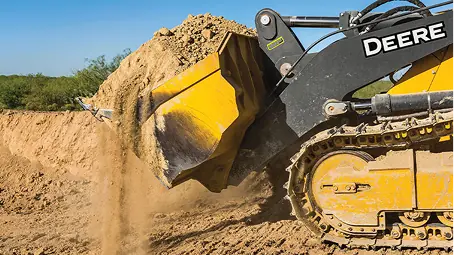
Bucket and attachments, tracks, rollers, hydraulics, engine, drive system, and lubrication.
Learn More About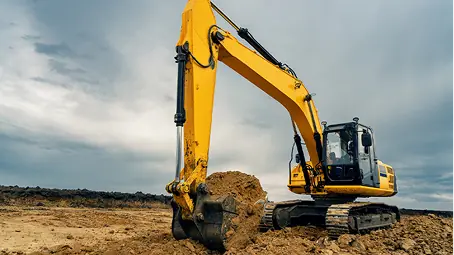
Hydraulic system, boom, arm, undercarriage, engine, filters, coolant, and electrical components.
Learn More About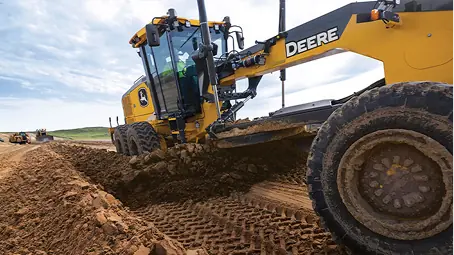
Moldboard, circle, drawbar, hydraulics, tires, and engine.
Learn More About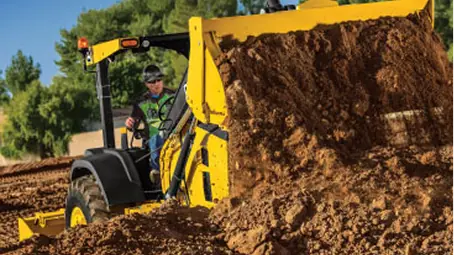
Bucket, attachments, hydraulics, engine, tires, brakes, and drivetrain.
Learn More About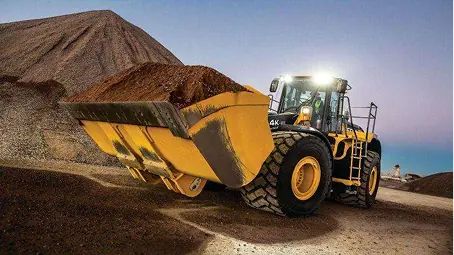
Buckets, loader arms, pivot points, tires, hydraulics, engine, drive systems, and safety features.
Learn More AboutNeeded for emergencies but should be limited to reduce downtime.
Routine inspections, scheduled servicing, and proactive repairs reduce failures.
Sensors detect early issues to prevent breakdowns.
Combining preventive and reactive maintenance maximizes uptime, reliability, and cost efficiency.
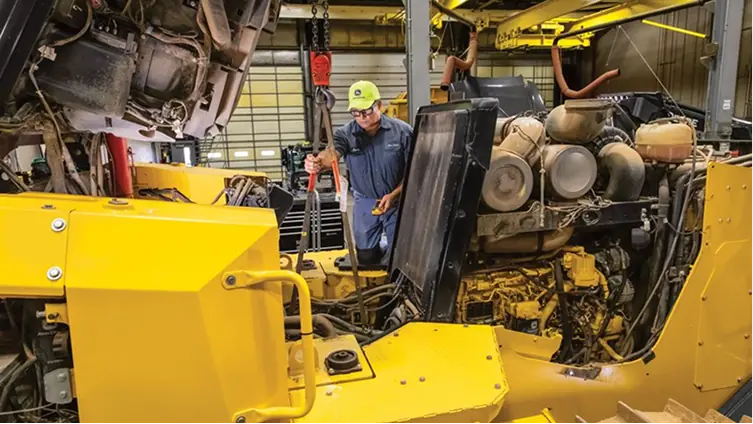
We sell John Deere construction equipment that gets the job done. From dump trucks and backhoes to loaders and excavators, our equipment works efficiently and lasts longer.
We offer quality OEM parts and attachments to keep your machines running and reduce downtime.
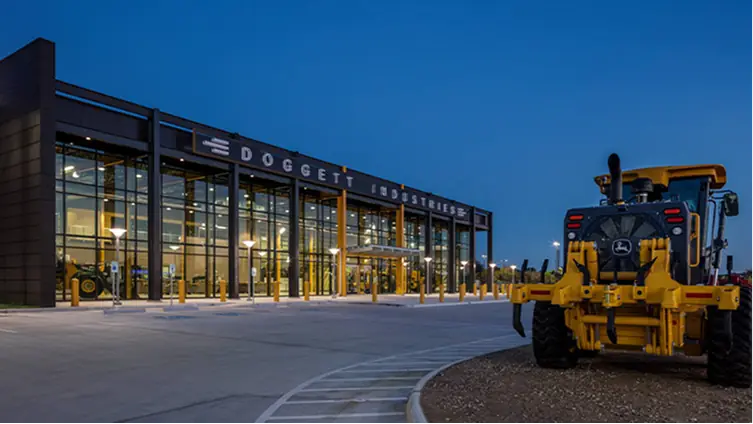
John Deere construction equipment should be serviced according to the manufacturer's recommended maintenance intervals and operating hours. Daily inspections and regular fluid checks help identify problems early and prevent unexpected breakdowns.
Essential maintenance tasks include checking engine oil, hydraulic fluids, filters, brakes, tires, tracks, and electrical systems. Regular lubrication and inspections help maintain equipment performance and extend machine life.
Common causes include worn components, hydraulic leaks, contaminated fluids, insufficient lubrication, electrical failures, and overloading. Preventive maintenance helps reduce these problems and avoid costly repairs.
Preventive maintenance involves scheduled inspections and servicing to reduce the risk of breakdowns. Reactive maintenance focuses on repairing equipment after a failure occurs, which can lead to unexpected downtime and higher repair costs.
Follow recommended service schedules, replace worn parts, maintain proper fluid levels, and keep equipment clean. Using compatible OEM parts and training operators in proper equipment use can also help extend machine life.