

Routine Maintenance
These are everyday tasks that keep your equipment in working order. Quick, simple, and inexpensive, routine maintenance is essential for catching minor issues before they grow.
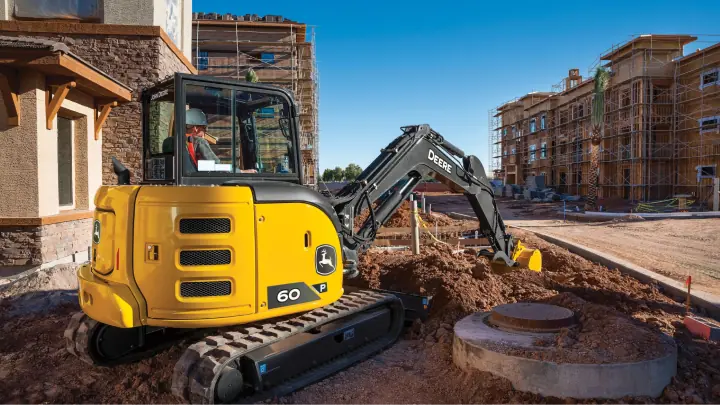
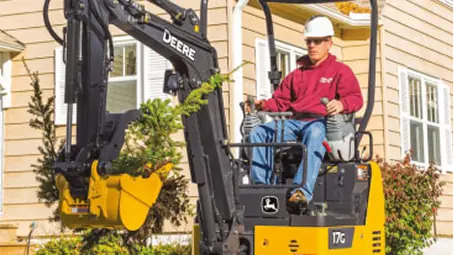
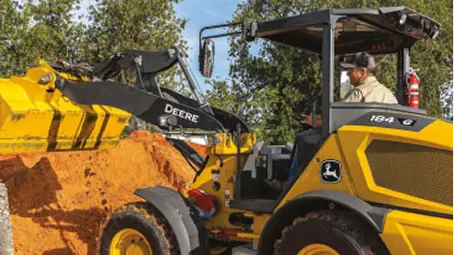
John Deere compact equipment like excavators, track loaders, wheel loaders, and skid steers can break down, slow down, or need expensive repairs if not cared for properly. At Doggett Equipment, we provide the expertise and resources to help you maintain your machines and protect your investment.
These are everyday tasks that keep your equipment in working order. Quick, simple, and inexpensive, routine maintenance is essential for catching minor issues before they grow.
A proactive approach to inspect and service equipment at scheduled intervals or based on hours of operation. While it takes more time and effort, preventive maintenance reduces breakdowns, extends equipment life, and prevents expensive repairs.
This is maintenance performed after a problem occurs. While sometimes unavoidable, relying solely on reactive repairs can lead to longer downtime and higher repair costs.
Daily or weekly checks help you spot potential problems early.
Establish a calendar based on hours of operation or seasonal needs to ensure consistent care.
Proactively replace parts like belts, hoses, and bearings before they fail.
Use sensor readings and monitoring systems to anticipate issues and plan maintenance.
Summer and winter checklists can help your equipment adapt to extreme conditions.
Even with proper maintenance, repairs may be required. Focus areas include:
Creating checklists keeps maintenance organized and ensures nothing is missed:
Keeping accurate service logs helps track:
Digital tools can simplify this process and prevent lost records.
Proper use of equipment is just as important as maintenance. Well-trained operators:
Even idle equipment requires care:
Equipment failures fall into three categories:
Happen without warning; usually require immediate repair.
Result from normal wear and tear; predictable with proper maintenance.
Sporadic issues; harder to diagnose, but preventable with routine inspections.
Follow a consistent maintenance calendar.
Use manufacturer-recommended parts, fluids, and lubricants.
Inspect tires, belts, hoses, and attachments frequently.
Train operators on safe and proper usage.
Keep equipment clean and well-lubricated.
Address minor issues immediately to prevent costly repairs.
Document all maintenance and repair work for future reference.
Store equipment correctly during idle periods.
Review performance data to schedule preventive maintenance.
Consider seasonal adjustments for extreme weather conditions.
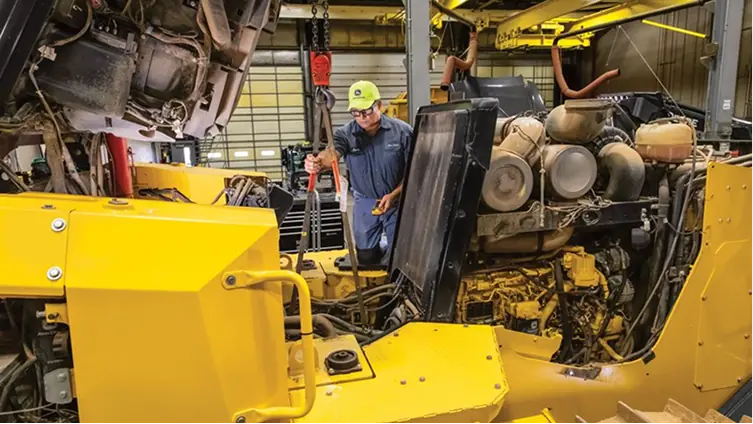
Proper repair and maintenance:
Whether you operate one machine or a fleet, a comprehensive maintenance program keeps your John Deere compact equipment performing at its best for years to come.
Looking for compact equipment that can handle any job? From digging and hauling to grading and lifting, our John Deere excavators, track loaders, wheel loaders, and skid steers help you get the work done efficiently.
Looking for attachments to expand your machine’s capabilities? From digging and hauling to plowing and compacting, high-quality John Deere parts and attachments help you get the most out of your equipment. Pairing proper maintenance with the right tools ensures maximum efficiency and performance.
Service intervals depend on the equipment model, operating hours, and working conditions. Check engine oil, hydraulic fluid, tires or tracks, and attachments daily.
Low hydraulic fluid, clogged filters, worn pumps, or leaking hoses can cause a skid steer to lose hydraulic power. Check for visible leaks, warning indicators, and unusual operating noises. If the problem continues, have a qualified technician inspect the hydraulic system.
Before each shift, inspect fluid levels, hydraulic hoses, tires or tracks, attachments, and safety features. Check for visible leaks, loose components, and warning indicators. Follow the daily inspection procedures in your equipment's operator's manual.
Overheating may result from low coolant, clogged radiators, restricted airflow, or cooling system problems. Check for debris around the cooling components and inspect coolant levels when the engine is cool. If overheating continues, have a technician inspect the machine before returning it to service.
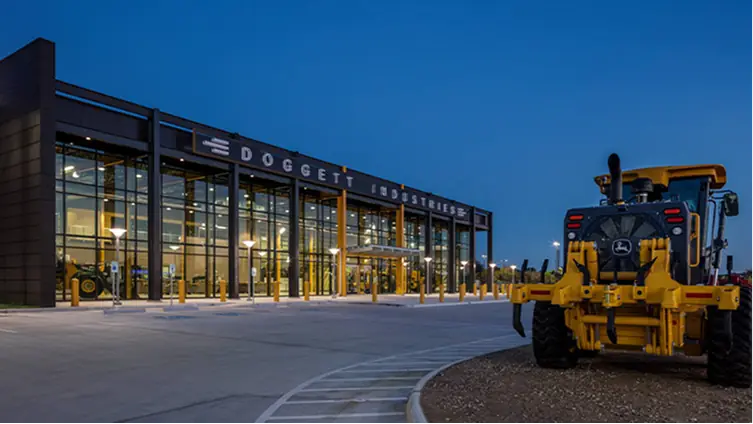
Doggett Equipment provides John Deere compact equipment, genuine parts, attachments, and maintenance support. Whether you operate compact excavators, track loaders, wheel loaders, or skid steers, the Doggett team can help you find suitable parts and service solutions.